




Introduction to Cuprous Oxide (CuO)
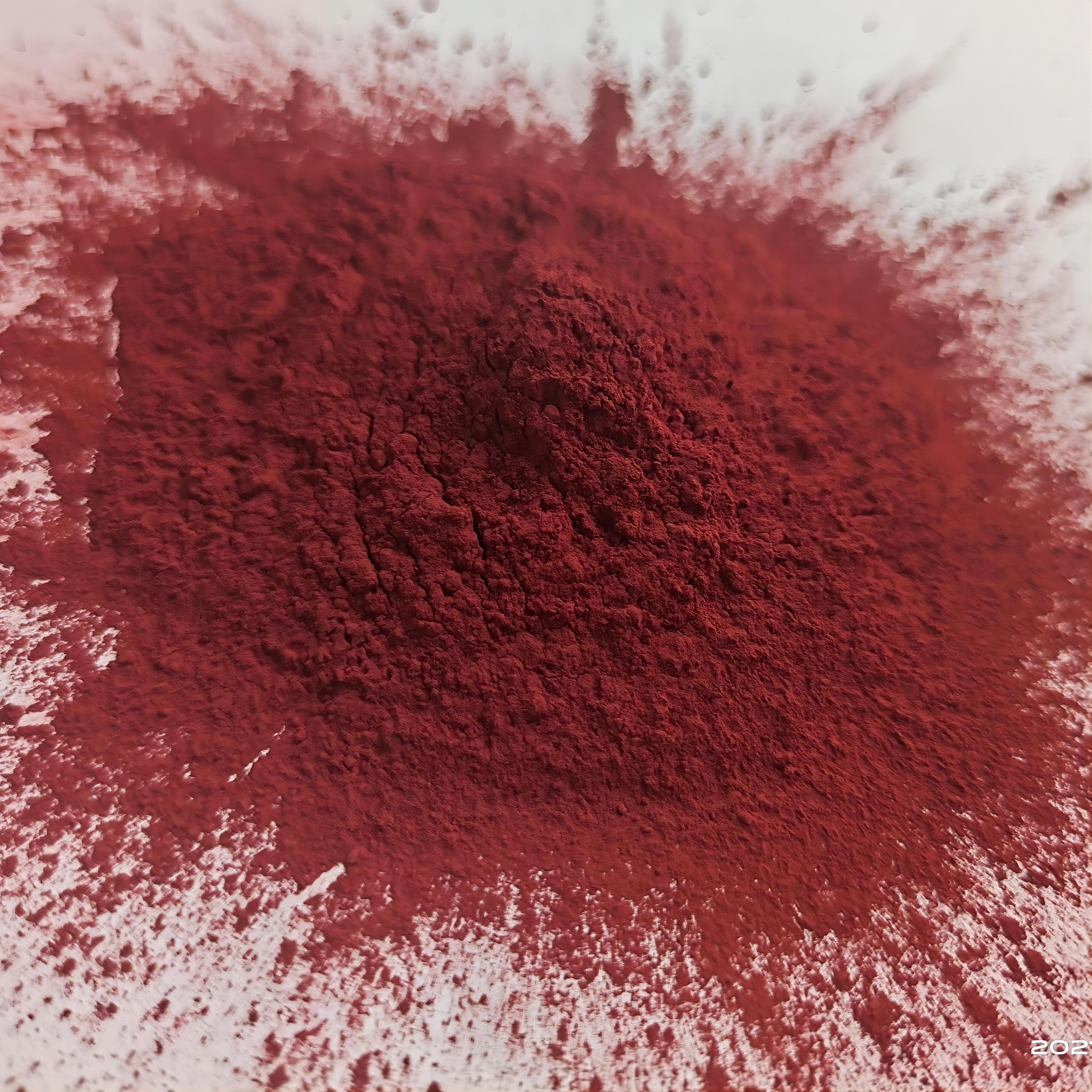
Cuprous Oxide (CuO) is a semiconductor with a rich history and potential in various applications, especially in solar energy. Historically, CuO has been known for its distinct reddish-brown appearance and its occurrence as a natural mineral, cuprite. Its fundamental properties include a direct bandgap of approximately 2.1 eV, making it suitable for photovoltaic applications. As a compound, CuO exhibits p-type semiconductor characteristics, making it compatible with diverse photovoltaic materials and architectures.
Role of Cuprous Oxide in Solar Cells
Cuprous Oxide plays a significant role in enhancing the efficiency of solar cells. It serves as an active layer in photovoltaic systems, where it absorbs sunlight and generates electron-hole pairs. Compared to traditional semiconductor materials like silicon, CuO offers advantages such as low cost, abundance, and non-toxic nature. These factors make CuO an attractive material for sustainable and economically viable solar technologies.
Efficiency Mechanisms of Cuprous Oxide
The efficiency of Cuprous Oxide-based solar cells primarily hinges on its photovoltaic conversion processes. When exposed to sunlight, CuO's direct bandgap facilitates efficient absorption of photons, creating electron-hole pairs that contribute to electric current generation. Various factors, including material purity, layer thickness, and interface quality, significantly affect the overall efficiency. Optimizing these parameters is crucial for enhancing the performance of CuO solar cells.
Technological Advances in CuO-Based Cells
Recent technological advances have significantly improved the prospects of CuO in solar cell applications. Researchers have developed innovative methods to synthesize high-purity CuO with controlled morphologies, enabling better integration with existing photovoltaic technologies. Advances in nanotechnology have further bolstered the performance of CuO solar cells, enhancing their light absorption capabilities and charge carrier mobility.
Experimental Methods for CuO Enhancement
To enhance CuO in solar applications, various experimental methods have been employed. Synthesis techniques such as sol-gel processing, chemical vapor deposition, and electrochemical deposition have provided high-quality CuO films that are integral to efficient solar cell fabrication. In addition, rigorous testing and evaluation procedures, including spectroscopic analysis and electrical measurements, are crucial for assessing the performance and efficiency of CuO-enhanced solar cells.
Challenges in Cuprous Oxide Implementation
Despite its potential, implementing Cuprous Oxide in solar cells presents several challenges. Technical limitations such as low electrical conductivity and susceptibility to degradation under operational conditions pose significant hurdles. However, ongoing research is focused on finding solutions, such as doping with other elements, to improve stability and efficiency. Addressing these challenges is vital for realizing the full potential of CuO in solar technologies.
Environmental Benefits of CuO Solar Cells
One of the major benefits of CuO solar cells is their environmental impact. Using CuO reduces the carbon footprint associated with energy production, as it is derived from abundant and non-toxic materials. The integration of CuO-based solar cells in energy systems contributes to the broader goal of sustainable and renewable energy development, offering a promising alternative to fossil fuels and reducing greenhouse gas emissions.
Comparative Analysis with Other Materials
When compared to other semiconductor materials, Cuprous Oxide presents a unique balance of efficiency and cost. Its affordability and simple synthesis routes provide a competitive edge over more expensive materials like cadmium telluride and gallium arsenide. Performance-wise, CuO-based solar cells excel in specific environmental conditions, making them suitable for varied geographical locations and applications.
Future Prospects of Cuprous Oxide in Solar Tech
The future prospects of Cuprous Oxide in solar technology are promising. Predicted trends suggest increased research funding and technological advancements that will further enhance its application in solar cells. With potential for widespread adoption, CuO can play a pivotal role in the global shift towards renewable energy. Continued innovation will be key to overcoming existing limitations and realizing the full promise of CuO in solar energy.
Conclusion: The Path Ahead for Cuprous Oxide
In conclusion, Cuprous Oxide offers a compelling pathway for enhancing solar cell efficiency. Its unique properties, coupled with ongoing technological advancements, position it as a critical material for future energy solutions. Strategic recommendations for researchers include focusing on improving material quality and stability. By continuing to address the challenges and maximizing the benefits, CuO can significantly contribute to the advancement of solar technology.
About Hongyuan New Materials
Hangzhou Hongyuan New Materials Co., Ltd. stands at the forefront of metal powder and copper salt product innovation. Established in 2012 and enhanced by the acquisition of Hangzhou Haoteng Technology Co., Ltd., Hongyuan New Materials blends advanced research with production excellence. Located in Hangzhou's Fuyang Economic Zone, the company operates expansive facilities and leverages cutting-edge technology to provide high-quality cuprous oxide products. With a robust R&D team led by top domestic experts, Hongyuan New Materials continues to drive progress in sustainable material solutions.
Post time: 2025-01-10 15:47:04