




Introduction to Copper Oxide and Rust
When discussing metal corrosion, it's common to hear terms like rust and oxidation. However, it's crucial to understand that not all corrosion products are the same. Copper oxide, for instance, is often confused with rust, but they are chemically and functionally different. This article aims to demystify these terms by delving into their chemical compositions, formation processes, appearances, and practical implications. Understanding these differences is vital for industries that rely on metals, such as construction, manufacturing, and even art restoration.
Chemical Composition Differences
● Copper Oxide Formation
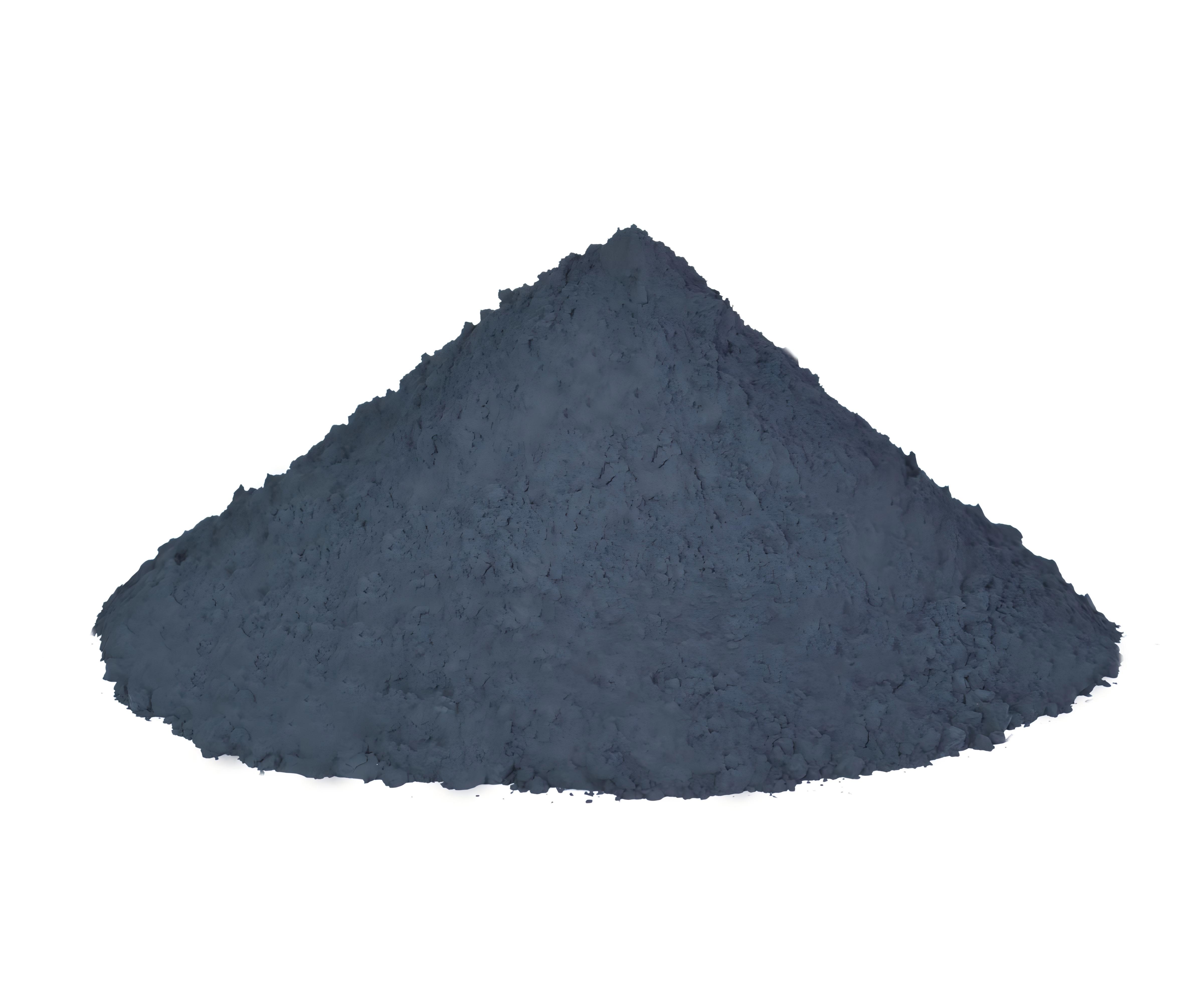
Copper oxide forms when copper undergoes an electrochemical reaction with oxygen. This process can yield two types of copper oxide: cuprous oxide (Cu2O) and cupric oxide (CuO). Cuprous oxide is a reddish-brown compound, while cupric oxide is black. The copper surface reacts directly with oxygen molecules in the atmosphere, resulting in this layer of copper oxide, which acts as a protective film.
Copper Oxide Metal is widely used in various industries for its unique properties. Manufacturing wholesale copper oxide metal products have become increasingly significant for many suppliers, especially for those looking to cater to specialized markets. Companies interested in placing bulk orders often seek reputable copper oxide metal manufacturers to ensure high-quality and consistency
● Rust Formation in Iron Alloys
Rust, on the other hand, forms when iron or its alloys, such as steel, undergo oxidation. This process involves iron reacting with oxygen in the presence of water or moisture, forming iron oxides like Fe2O3·nH2O (hydrated iron(III) oxide), commonly known as rust. Unlike copper oxide, rust does not form a protective layer; instead, it continues to degrade the metal over time.
For those in the market for bulk iron products, the importance of understanding and preventing rust cannot be overstated. Wholesale copper oxide metal is often sought after for its non-ferrous nature, offering an alternative that doesn't rust, making it a valuable material for many applications.
Oxidation Processes Compared
● Electrochemical Reactions
Both copper oxide and rust are products of electrochemical reactions, but the elements involved differ significantly. Copper oxide forms as oxygen molecules land on the copper surface and combine with copper atoms. This gives rise to a stable compound that protects the underlying metal. In contrast, rust forms through a more complex process involving not just oxygen but also water, which acts as an electrolyte, facilitating the movement of electrons and ions that degrade iron.
● Elemental Involvement in Corrosion
In copper, the absence of iron is critical, as iron is a requisite for rust formation. Copper’s non-ferrous nature means it does not contain iron, thereby forming copper oxides rather than rust. This distinction is crucial for industries needing durable, corrosion-resistant metals. Wholesale copper oxide metal suppliers often highlight this feature to attract industries requiring metals that maintain structural integrity over long periods.
Appearance and Physical Changes
● Visual Differences in Corrosion Products
Copper oxide and rust appear drastically different. Copper oxide tends to show a reddish-brown or black hue, which eventually forms a greenish layer known as patina. This patina is often sought after, not just for its protective qualities but also for its aesthetic appeal. In contrast, rust appears as a flaky, reddish-brown crust that becomes brittle and breaks apart, indicating ongoing degradation.
Choosing the right metal for your specific needs often involves understanding these visual and physical differences. If visual appeal and long-lasting properties are essential, many would opt to work with a reputable copper oxide metal factory to ensure the desired outcomes.
● Patina Formation vs. Rusting
While patina forms a protective shield on copper, rust deteriorates iron, causing it to weaken over time. This protective characteristic of copper oxide is why it is extensively used in architectural features like roofs and statues. Rust, however, compromises the structural integrity of iron, making it less desirable for applications requiring long-term durability.
Copper oxide metal suppliers often emphasize the advantages of patina formation, which not only adds to the aesthetic appeal of the metal but also extends its lifespan. This makes copper oxide an attractive option for various industries, from construction to art.
Protective Characteristics
● Copper Oxide as a Protective Layer
One of the outstanding features of copper oxide is its ability to act as a protective layer. Once the initial oxidation occurs, the oxide layer prevents further degradation by blocking oxygen from reaching the underlying metal. This auto-regenerative property ensures that even if the oxide layer is scratched or damaged, it can reform and continue to offer protection.
● Rust's Impact on Structural Integrity
Rust lacks the protective qualities of copper oxide. Instead of forming a stable layer, rust continues to penetrate deeper into the metal, exacerbating degradation. This makes it critical to employ rust-prevention techniques like galvanization, painting, or using rust-resistant alloys for applications where durability is paramount.
For larger projects requiring bulk materials, working with a copper oxide metal supplier can offer significant advantages. The protective characteristics of copper oxide make it a reliable choice for both structural and aesthetic applications.
Corrosion Rates and Environmental Impact
● Speed of Corrosion
Copper corrodes slowly, especially in unpolluted environments. It can take several years for copper to develop a significant patina layer. This slow rate of corrosion ensures the longevity of copper installations. Rust, conversely, can form rapidly, especially in humid or salty environments, leading to quicker material failure.
● Influence of Environmental Factors
Environmental conditions play a crucial role in the rate of corrosion for both copper and iron. Factors like humidity, temperature, and the presence of pollutants or salts can accelerate the oxidation process. For instance, copper exposed to salty air, as seen in coastal areas, will corrode faster than copper in a dry, inland environment. Similarly, iron exposed to moisture will rust far quicker than iron kept dry.
Choosing the right material for a specific environment often involves consulting with a copper oxide metal manufacturer. They can provide insights into how copper will perform under various conditions, ensuring the best choice for long-term durability.
Applications and Practical Implications
● Usage of Copper in Engineering and Architecture
Copper and its alloys are favored in many engineering and architectural applications due to their durability and aesthetic appeal. The natural patina that copper develops over time adds character to buildings and structures. Moreover, copper’s conductivity makes it invaluable in electrical engineering, where it is used extensively in wiring and components.
● The Role of Rust Prevention in Iron Alloys
While iron also has its applications, rust prevention is a constant challenge. In construction, this often involves additional costs for protective coatings and treatments. Despite its drawbacks, iron remains popular due to its strength and cost-effectiveness. However, when longevity and low maintenance are critical, copper and copper alloys are preferred.
Copper oxide metal suppliers often emphasize these points when marketing their products. The combination of durability, aesthetic appeal, and low maintenance makes copper an attractive option for a wide range of applications.
Historical and Iconic Examples
● Statue of Liberty: An Example of Copper Corrosion
One of the most iconic examples of copper corrosion is the Statue of Liberty. Originally shiny brown, the statue’s copper has turned a distinctive blue-green due to the formation of patina. Within ten years of exposure to New York’s natural environment, the statue started to change color. Another fifteen years saw the patina become fully developed.
● Famous Structures Suffering from Rust
In contrast, many historical iron structures have suffered due to rust. Bridges, statues, and buildings made from iron or steel need regular maintenance to prevent rust. This ongoing need for upkeep adds to the overall cost and complexity of using iron in long-term installations.
By understanding these historical examples, one can appreciate the benefits of using copper oxide metal over iron. Contacting a reputable copper oxide metal factory can further provide examples of successful projects and applications.
Methods to Control Corrosion
● Techniques to Preserve Copper Surfaces
Preserving copper involves several techniques. Chemical treatments can accelerate patina formation for aesthetic purposes, while coatings like wax or specialized solutions can prevent corrosion altogether. These methods ensure that copper retains its appearance and structural integrity for many years.
● Strategies to Combat Rust Formation
Combating rust involves multiple strategies, such as galvanizing iron surfaces, applying rust-resistant paints, and regularly maintaining the metal. These preventive measures are crucial for structures exposed to harsh environments, ensuring longevity and safety.
For industries looking to invest in corrosion-resistant materials, working with a wholesale copper oxide metal supplier can offer significant advantages. These suppliers can provide bulk quantities of treated copper, ensuring optimal performance and aesthetic value.
Conclusion and Future Outlook
● Summarization of Key Points
In summary, while copper oxide and rust are both products of oxidation, they differ significantly in composition, appearance, and impact. Copper oxide forms a protective layer that preserves the metal, while rust deteriorates iron, weakening its structure over time. These differences have profound implications for various industries, from construction and manufacturing to art and design.
● Future Research and Technological Advances in Corrosion Prevention
Future research in corrosion prevention continues to explore new materials and treatments to enhance the durability of metals. Advances in nanotechnology, coatings, and alloy compositions promise to offer even more effective solutions for both copper and iron. Staying abreast of these technological developments can provide industries with new ways to extend the lifespan of their metal products.
For those interested in purchasing high-quality copper oxide metal, contacting a reliable copper oxide metal supplier is essential. These suppliers can provide detailed information on the best practices for using copper and offer bulk purchasing options for large-scale projects.
About Hongyuan New Materials
Hangzhou Hongyuan New Materials Co., Ltd. (Hangzhou Fuyang Hongyuan Renewable Resources Co., Ltd.), established in December 2012, is a renowned enterprise in the field of metal powder and copper salt product research, development, production, and sales. Based in Xindeng New Area, Fuyang Economic and Technological Development Zone, the company boasts a plant area of 50,000 square meters and a total investment of 350 million yuan. With a team of 158 employees, including top experts and experienced metallurgists, Hongyuan New Materials operates advanced production lines for metal powder and copper oxide, providing high-quality products with an annual capacity of 20,000 tons.
Post time: 2024-09-14 16:50:03