



Understanding Copper(Ii) Carbonate Basic
Chemical Composition and Properties
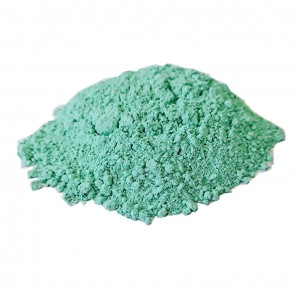
Copper(II) Carbonate Basic, often denoted as Cu2(CO3)(OH)2, is a compound known for its applications in various industrial processes. Traditionally used in pigments, it imparts a distinctive green hue, significant in ceramics and art. Its chemical stability allows for transformation into other copper compounds through calcination.
Applications in Industry
This compound's water-insoluble nature makes it useful in different sectors. It finds use in paints, coatings, and as a material in jewelry design. As industries expand, suppliers offer alternatives to meet demand fluctuations and cost considerations in wholesale and factory settings.
Common Issues with Copper(II) Carbonate Basic
Challenges in Production
Producing Copper(II) Carbonate Basic involves complex processes, which may result in variations in color and density. These inconsistencies can affect its performance in industrial applications, posing challenges for manufacturers and leading to a search for alternatives.
Environmental and Safety Concerns
During processing, Copper(II) Carbonate Basic can release gases that pose environmental hazards. Proper handling and safety measures are essential, and these considerations prompt many factories to look for safer substitutes that align with regulatory standards.
Copper Oxide as an Alternative
Chemical Benefits
Copper Oxide (CuO), a well-regarded alternative, offers comparable properties with enhanced chemical reactivity. This makes it suitable for applications requiring a more intense colorant, ensuring vibrant results. Copper Oxide is also preferred for its straightforward conversion process from Copper(II) Carbonate Basic.
Supplies and Cost Efficiency
Available in larger quantities, Copper Oxide presents a cost-effective option for wholesale buyers. Manufacturers can procure this material in bulk, reducing expenses while maintaining quality standards essential for diverse industrial uses.
Using Malachite as a Copper Source
Naturally Occurring Compound
Malachite, a naturally occurring mineral, serves as a direct alternative to synthetic Copper(II) Carbonate Basic. Its natural abundance makes it an attractive option for manufacturers seeking sustainable sources.
Compatibility with Industrial Applications
The mineral’s compatibility with various industrial applications is noteworthy. Factories utilizing malachite benefit from its consistent quality and reduced environmental impact, making it a viable alternative for eco-conscious suppliers.
Azurite in Comparison to Copper(II) Carbonate
Properties and Applications
Like Malachite, Azurite is a mineral alternative to Copper(II) Carbonate Basic. Known for its deep blue color, Azurite offers unique aesthetic properties that are advantageous in specific pigment applications within the art and ceramics industries.
Cost and Availability
Azurite’s availability in the market is more limited compared to synthetic options, affecting costs. It appeals to niche markets where visual distinction is a priority, even in a wholesale purchase scenario.
Copper Hydroxide: A Comparable Substitute
Chemical and Physical Characteristics
Copper Hydroxide shares several characteristics with Copper(II) Carbonate Basic, including color variability and reactivity. It decomposes at lower temperatures, providing benefits in processes requiring controlled thermal conditions.
Advantages in Industrial Processes
Industries adopting Copper Hydroxide appreciate its dispersive properties in pigments and its role in mordant dyeing. Factories can achieve smooth finishes with fewer specks, enhancing product appeal.
Sustainability and Environmental Impact
Environmental Considerations
Substituting Copper(II) Carbonate Basic with alternatives like Malachite and Copper Hydroxide reduces environmental footprints. These materials offer sustainable solutions aligned with green initiatives and regulatory compliance, crucial for manufacturing facilities.
Long-term Impacts
Embracing sustainable alternatives helps reduce carbon emissions and waste generation, benefiting both suppliers and end-users. Factories are increasingly adopting these practices to align with global sustainability goals.
Cost-Effectiveness of Alternatives
Economic Considerations
Copper Oxide and Malachite present cost-saving opportunities for factories. Purchasing in wholesale quantities lowers costs, allowing manufacturers to maintain competitive pricing without compromising product quality across industries.
Market Dynamics
Fluctuations in raw material prices influence factories' choice of alternatives. Cost-effective substitutes like Copper Oxide ensure stability in supply chains, essential for manufacturers prioritizing economic efficiency.
Chemical Safety and Handling
Safety Protocols
Handling alternatives to Copper(II) Carbonate Basic requires adherence to safety protocols. Manufacturers must implement guidelines for safe storage, transport, and usage to minimize health risks to workers and environmental damage.
Compliance with Standards
Regulatory compliance is non-negotiable in chemical handling. Factories must ensure adherence to local and international standards, promoting safe industrial practices and reducing liability risks associated with chemical processing.
Future Trends and Innovations
Advancements in Material Science
Innovations in material science continue to yield new substitutes for Copper(II) Carbonate Basic. Ongoing research into nanotechnology and sustainable materials promises enhanced performance and compatibility in diverse applications.
Industry Adaptation
Industry adaptation to these trends is essential for remaining competitive. Manufacturers adopting cutting-edge technologies and alternatives can leverage advancements to meet evolving market demands efficiently.
Hongyuan New Materials Provide Solutions
Hongyuan New Materials is dedicated to providing efficient solutions to customers seeking alternatives to Copper(II) Carbonate Basic. By offering a range of materials such as Copper Oxide and Malachite, we ensure optimal performance and sustainability. Our commitment to quality and innovation helps clients navigate the complexities of modern manufacturing with confidence. Reach out to Hongyuan New Materials for reliable, cost-effective, and environmentally responsible solutions for your industrial needs.
Post time: 2025-07-03 17:26:06