



Introduction to Copper Recycling
Copper is one of the most sought-after metals in the recycling industry due to its high value and extensive use in various applications. As a non-ferrous metal, copper does not degrade or lose its chemical properties during recycling, which means it can be recycled indefinitely. This sustainability feature makes copper extremely valuable for industries focusing on reducing environmental impact while maintaining material quality.
The Importance of Copper in Industry
Copper is vital for its excellent electrical conductivity, making it a preferred choice in electrical wiring and electronics. Its thermal conductivity also makes it useful in plumbing and heating systems. The construction industry heavily relies on copper for roofing, plumbing, and cladding due to its durability and aesthetic appeal.
Understanding Copper Oxidation
Copper oxidation occurs when copper reacts with oxygen in the air, forming a layer of copper oxide on its surface, commonly known as patina. This process gives copper its characteristic greenish-blue appearance over time, as seen famously on the Statue of Liberty.
The Impact of Oxidation on Recycling
The oxidation layer does not structurally affect the copper underneath but can complicate the recycling process. Removing the patina can require additional processing steps, impacting overall efficiency and cost-effectiveness. However, advances in recycling technology continue to mitigate these challenges.
Types of Copper Scrap
Copper scrap is categorized into several grades, each affecting its value and recycling process. The main types include bare bright copper, #1 copper, #2 copper, and insulated copper wire, among others.
Detailed Breakdown of Copper Grades
- Bare Bright Copper: Known as the most valuable form, it consists of pure, uncoated copper wire, crucial for maximizing recycling returns.
- #1 Copper: Comprised of clean copper pipes and wires with minimal oxidation, often yielding a high market price.
- #2 Copper: Includes copper with solder, coatings, or moderate oxidation, making it less valuable but still recyclable.
- Insulated Copper Wire: Requires removal of insulation to improve its recycling value, typically used in the wholesale and manufacturing industry.
Oxidized Copper in the Recycling Process
Despite the additional layers of oxidation, copper maintains its recyclability. Recycling oxidized copper involves removing the oxidative layer to restore its original purity and value.
Technological Processes in Recycling
Recycling factories employ advanced techniques such as acid wash and mechanical separation to remove oxidation and other impurities efficiently. The goal is to recover as much pure copper as possible, enhancing both environmental and economic outcomes.
Economic Value of Oxidized Copper
The economic viability of recycling oxidized copper sheets heavily depends on market demand, the efficiency of recycling processes, and the copper's grade.
Market Analysis
Copper prices fluctuate based on global economic conditions and demand from key industries such as construction and electronics. With over 50% of copper consumption attributed to these sectors, copper remains a pivotal commodity, ensuring consistent market interest.
Environmental Benefits of Recycling Copper
Recycling copper significantly reduces the need for mining new materials, thereby conserving natural resources and minimizing energy consumption. This process leads to substantial CO2 emission reductions, underscoring its environmental advantages.
Sustainability in the Copper Industry
Manufacturers and wholesale suppliers are increasingly adopting recycling as a core component of their operation, aligning with global sustainability trends and regulatory requirements.
Technological Innovations in Copper Recycling
Recent technological advancements have improved the efficiency and quality of recycled copper. Innovations include enhanced sorting technologies and automated processes, which streamline the recovery of high-purity copper.
Future Prospects for Recycling
Ongoing research focuses on improving the economic feasibility of recycling lower-grade copper scrap, including oxidized sheets, through more cost-effective and less energy-intensive methodologies.
Challenges in Recycling Oxidized Copper Sheets
Recycling oxidized copper sheets presents unique challenges, including additional processing steps required to remove patinas and impurities.
Addressing Recycling Barriers
Advancements in sorting and processing technologies aim to address these issues, ensuring that oxidized copper can be efficiently recycled without compromising its inherent properties or economic value.
Case Study: Successful Copper Recycling Programs
Several countries have implemented successful copper recycling programs that utilize cutting-edge technologies to maximize recovery and quality.
Global Perspectives
Countries with advanced recycling infrastructure demonstrate the potential for high recovery rates and economic returns, serving as models for other regions. Collaborative initiatives between manufacturers, factories, and local governments have proven essential for these achievements.
Conclusion and Future Outlook
The future of copper recycling looks promising, with continual advancements in technology and increased focus on sustainability within the industry. Wholesale and manufacturing sectors will benefit from these innovations, reducing costs and environmental impact while supporting circular economy principles.
Hongyuan New Materials Provide Solutions
Hongyuan New Materials specializes in providing comprehensive solutions for recycling oxidized copper sheets. We implement state-of-the-art technology to ensure high recovery rates and premium-quality recycled copper. Our methods are tailored to meet the demands of wholesale and manufacturing partners, reducing operational costs and enhancing environmental sustainability. Trust in Hongyuan New Materials for reliable service and exceptional results in copper recycling to support your industry's growth and sustainability objectives.
User hot search: Oxidised Copper Sheet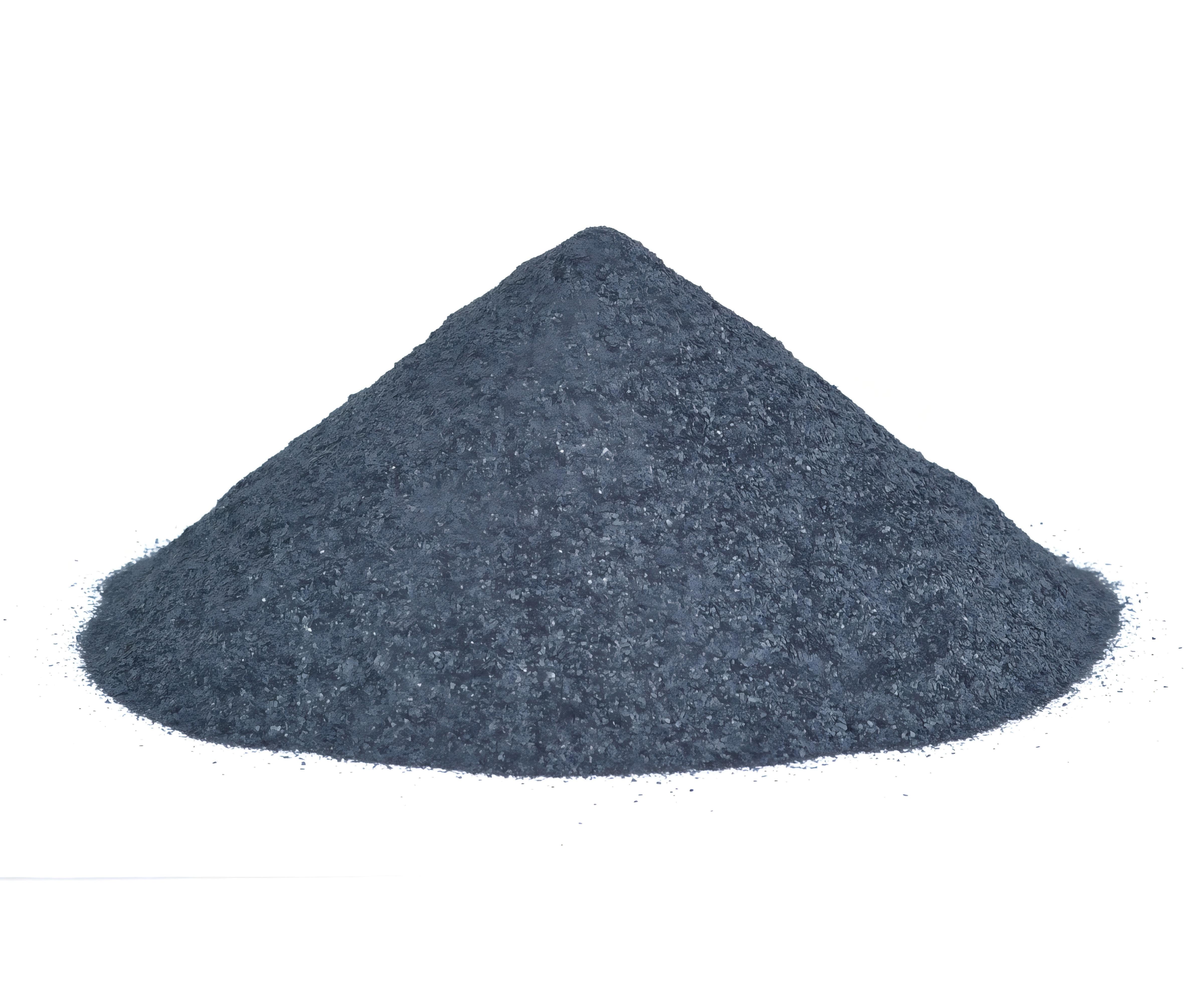
Post time: 2025-08-29 18:16:04